We provide roof truss installation, truss setting and bracing, and roof truss replacement services in Grand Junction, CO for new homes, additions, garages, and commercial buildings. Contact us now for a free estimate.
How Much Does Roof Truss Installation Cost in Grand Junction, CO?
Roof truss installation in Grand Junction, CO costs anywhere from $7,575 to $20,200 on average for setting a full truss package on a typical house or large garage. The price depends on the number and span of the trusses, the roof style and pitch, the truss type, crane time, site access for delivery, and whether old trusses have to come out first.
Do You Install Roof Trusses on Homes and Commercial Buildings?
Yes, we set trusses on new homes, additions, detached garages, barns, and commercial buildings. Let us know the building type and its length and width.
Do You Service My Area?
Yes, in most cases. Send us the job site address and we'll confirm we cover it.
Can You Order the Trusses for Me?
Yes, we can order them from a truss plant or set ones you already have.
How Long Does It Take to Get Roof Trusses?
Usually 2 to 4 weeks from the final order for a standard set, and 4 to 8 weeks in spring and summer or for a complex roof. We book the crane and crew around the delivery date.
What Information Do You Need for a Quote?
We need the address, the plans or truss layout, the span, pitch, and building length, and site photos showing the street and any overhead wires or trees.
Do I Need to Be There on the Day the Trusses Are Set?
No, as long as the site is open and we can get the truck and crane in. It helps if we can reach you by phone in case a layout question comes up.
Can You Work With My Builder or General Contractor?
Yes, we often set trusses as part of a larger build and coordinate delivery day, crane time, and wall readiness with whoever is running the job.
Do I Need a Permit to Install Roof Trusses?
Yes, in most areas, and the building department usually has to approve the truss design drawings before we set them. Your local building department makes the final call.
Can I Get a Price Before the Work Begins?
Yes, we confirm the price before we start. If something on site changes the work, such as walls out of square, we talk it through with you first.
Does the Price Include the Crane and Delivery?
Yes, in most cases crane time is part of a full installation quote. Truss delivery is often billed separately by the truss plant, so we list both in the quote.
How Long Does It Take to Install Roof Trusses?
Most houses take us 1 to 2 days. With a crane, a crew can usually set 25 to 35 trusses in 4 to 8 hours, and bracing, blocking, and sheathing add time after that.
Do You Need a Crane to Install Roof Trusses?
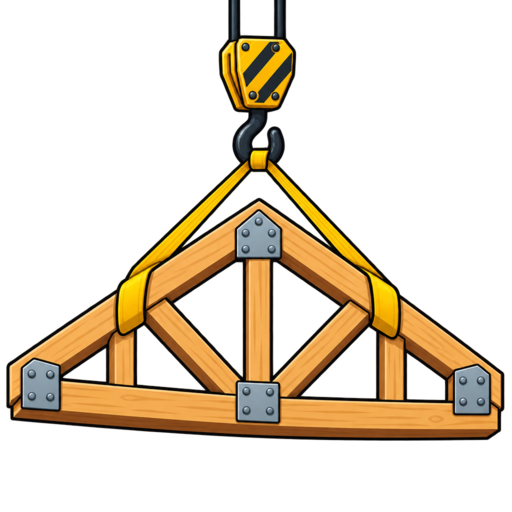
Yes, usually. We can often set trusses up to about 28 feet by hand with a crew of three or four, but spans over 30 to 35 feet are too heavy to lift safely without a crane.
How Many Trusses Will My Roof Need?
Divide the building length in inches by the spacing and add one. A 40-foot building at 24 inches on center takes 21 trusses, or 31 at 16 inches.
How Far Apart Do You Space Roof Trusses?
Most houses use 24 inches on center. Heavy roofs like tile or slate may need 16 inches, and the truss designer sets the final spacing.
Do Roof Trusses Need Support in the Middle?
No, most trusses are designed to span from one outside wall to the other. Some designs do bear on an interior wall or beam, and the truss drawings show where.
Can You Replace the Roof Trusses on an Existing House?
Yes, we take off the roofing and sheathing, remove the old trusses, and set new ones. Replacement trusses typically run $130 to $600 each installed, plus about $30 to $50 each to remove the old ones and a disposal fee.
How Do I Know if My Roof Trusses Are Damaged?
The main signs are a dip in the ridge or roofline, cracked or split truss members, rusted or loose metal plates, and dark or soft wood around a leak. Send us photos from the attic.
Can You Repair a Cracked or Broken Roof Truss?
Yes, in many cases. We sister new lumber alongside the damaged member or add engineered gusset plates, following an engineer's or the truss manufacturer's detail. A truss with rot or breaks in several places gets replaced.
How Much Does It Cost to Repair a Roof Truss?
Most truss repairs run $500 to $5,000. A single cracked truss or loose plate sits at the low end, while sagging, rot, or several damaged trusses cost more.
Can Sagging Roof Trusses Be Fixed Without Replacing the Roof?
Yes, in most cases. We find the cause first, such as water damage, extra weight in the attic, or missing bracing, then reinforce or replace trusses to an engineer's detail. Send us photos of the roofline and the attic.
Is It OK to Cut a Roof Truss for an Attic Ladder or Skylight?
No, not without approval from the truss manufacturer or an engineer, because cutting any part of a truss changes how it carries the load. If one has already been cut, we brace it and fix it to an engineered repair detail.
Are Roof Trusses Better Than Rafters?
Yes, for most new roofs. We can set trusses in a day where rafters take a couple of days, and they span wall to wall with no bearing wall in the middle. Rafters still suit roofs with many hips, valleys, and dormers.
Can I Install Roof Trusses Myself?
Yes, on a small building with short trusses and experienced helpers, but we don't recommend it for a house or garage. Long trusses need a crane, every truss has to be braced as it goes up, and the work is done at height.
How Do You Brace Roof Trusses During Installation?
We brace the first truss to the wall plates right away, then tie each new truss to the last one with temporary bracing. Permanent diagonal bracing and sheathing go on before the temporary bracing comes off.
Can You Install Roof Trusses in Rain or Wind?
No, we set trusses only in calm, dry weather because wind makes lifting unsafe.
How Are Roof Trusses Attached to the Walls?
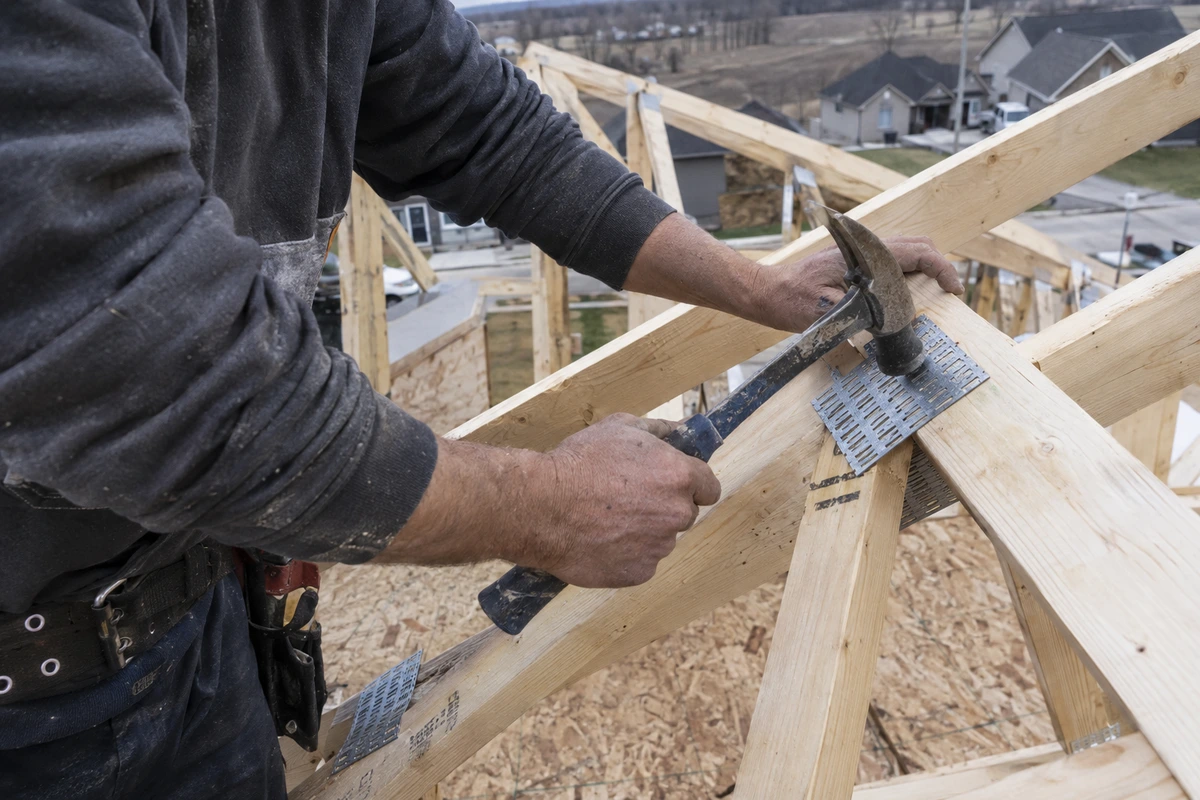
Each truss is fastened to the top plate with metal hurricane ties or the connector the truss plan calls for. We nail only where the manufacturer shows, since nailing elsewhere can crack the truss.
Can You Install Roof Trusses on a Garage?
Yes, a 32 by 48 foot garage at 24 inches on center takes about 25 trusses, including the two gable ends. Tell us the garage size and roof pitch.
Can You Install Scissor Trusses for a Vaulted Ceiling?
Yes, we set scissor trusses for vaulted rooms. They usually cost 20 to 40 percent more than standard Fink trusses of the same span.
Can You Install Attic Trusses for Storage or a Bonus Room?
Yes, attic trusses leave an open room down the middle of the truss. They cost more than standard trusses because they need heavier lumber and more connector plates.
Can You Install Trusses for a Hip Roof?
Yes, a hip roof uses a hip truss set at each end, often with a girder truss carrying the shorter trusses. We set the girders first and make sure they're straight and plumb.
Can You Install Trusses on a Room Addition?
Yes, we set addition trusses and frame where the new roof meets the existing one. Send us the plans and a photo of the existing roofline.
Can You Install Long-Span Trusses for a Shop or Barn?
Yes, we set long-span trusses for shops, barns, and pole buildings with a crane. Very long trusses need extra bracing and a careful lift plan.
Can You Install Steel Roof Trusses?
Yes, we can install steel trusses. They cost about twice as much as wood and come with their own handling and bracing instructions from the maker.
Can You Install Raised Heel Trusses for More Attic Insulation?
Yes, raised heel or energy heel trusses leave more height over the outside walls so the insulation can stay full depth to the edge.
Can You Replace Trusses Damaged by a Fallen Tree or Storm?
Yes, once the tree is off we brace the damaged area, then repair or replace the broken trusses. Take photos for your insurer before anything is moved.
Can You Replace Trusses Damaged by a Roof Leak?
Yes, once the leak has been fixed. Tell us how long it went on and whether the ceiling below is stained or sagging.
Does Homeowners Insurance Cover Damaged Roof Trusses?
Yes, often, when a storm or fallen tree caused the damage. Slow leaks and wear usually aren't covered, and your insurer makes the call. We can give you photos and a written estimate for the claim.
What Should I Do if the Trusses Arrive Before You Do?
Keep them off the ground on level blocking, with no weight on the tails, and keep them dry. Don't walk or stand on them while they're lying flat.
Do the Walls Need to Be Finished Before You Set the Trusses?
Yes, we need the walls framed, plumb, and braced, with the top plates on and level. Interior bearing walls and any beams under girder trusses have to be in place too.
Can You Set Trusses on a Tight Lot With No Crane Access?
Yes, in many cases. Shorter trusses can be lifted by hand, and a crane can sometimes reach from the street. Tell us about narrow roads, overhead wires, or slopes.
Can I Walk on the Trusses Before the Roof Sheathing Is On?
No, not until they're fully braced, and never on the bottom chords. Unbraced trusses can roll or collapse.
Do You Install the Roof Sheathing After the Trusses?
Yes, we can sheath the roof once the trusses are set and braced.
How Long Do Roof Trusses Last?
Roof trusses typically last 50 to 100 years if they stay dry.
Do Roof Trusses Come With a Warranty?
Yes, most trusses carry the manufacturer's warranty against defects in materials and workmanship. Terms vary by truss plant, so we confirm them when you contact us.